Vaccinations for Pets Prairieville Animal Hospital: Protecting Immunity in Groups
Vaccinations are often the quiet workhorse of veterinary care. They do not shout for attention the way an urgent wound might, but they steady the course of a pet’s health over years of routine living. At Prairieville Animal Hospital, we have learned that vaccines are most effective not as a single act but as part of a consistent, thoughtful strategy. The real value emerges when pet owners understand how vaccines work in the body, how clinics tailor schedules to individual animals, and how group immunity contributes to a healthier community of pets.
The first thing to keep in mind is that vaccines are not a one size fits all proposition. They are precise tools designed to prompt a controlled immune response. The goal is clear: create memory in the immune system so that if a pet encounters a pathogen later, the body can respond rapidly and prevent disease from taking hold. The art lies in balancing protection with risk, timing vaccines for maximum benefit, and recognizing when to adjust plans based on a pet’s health status or lifestyle.
As a clinician who has watched hundreds of vaccination programs unfold, I have seen how families evolve their routines around wellness visits. A well-run vaccination plan becomes part of daily life, not a disruption to it. It’s about convenience, yes, but also about trust. Owners who understand the logic behind vaccines tend to keep the schedule without procrastination, which in turn reduces the chance of gaps in protection.
Foundations of veterinary vaccines
To appreciate how vaccines function in groups, it helps to start with the biology. Most vaccines work by presenting a harmless form of a pathogen or a component of it to the immune system. This exposure trains the body to recognize the real pathogen in the future, so that if exposure occurs, white blood cells respond more efficiently. There are several types of vaccines veterinarians use, including core vaccines that protect against diseases with serious consequences and high transmissibility, and non-core vaccines that address risks particular to a pet’s environment or lifestyle.
Core vaccines are the backbone of a sound schedule. They address infections that commonly affect a wide range of animals and that pose significant health threats. The protection level is usually high, and the consequences of infection can be severe. Non-core vaccines provide protection against diseases that are less likely to occur in a given animal but could have serious implications if contracted in a specific setting, such as a household with exposure to wildlife or a patient that frequently travels.
The timing of vaccines matters as much as the vaccines themselves. Puppies and kittens begin their vaccination journeys early, with a sequence designed to build immunity over weeks and months. For many pets, the initial series is followed by annual or triennial boosters. The exact cadence depends on the vaccine, the pet’s general health, and their risk factors. The goal is to maintain protective antibody levels over time without subjecting the animal to unnecessary injections.
In practice, we approach these decisions with a blend of science and experience. Each animal is unique, and vaccines interact with a pet’s health in ways that may surprise the layperson. A pet with a chronic condition may require a customized plan that minimizes stress on the organ systems while still delivering the necessary immune protection. The most common issues we monitor are immune status, vaccine reactions, and the potential for disease exposure within the local community.
Protecting immunity in group settings
Group immunity, or herd immunity in human terms, translates into veterinary practice as a community shield that protects pets who cannot mount a strong immune response on their own. When a high percentage of animals in a given area are properly vaccinated, the spread of contagious diseases slows dramatically. That effect benefits everyone: the compliant pet owner, the breeder with a large litter, the senior pet with a delicate immune system, and the shelter where animals move between hands quickly.
In practical terms, this means that a well-maintained vaccination program reduces outbreaks in the surrounding neighborhoods. It also lowers the risk for rescue groups that may place animals in homes where standard routines like vaccination are missed. Prairieville Animal Hospital has seen quieter seasons when vaccination rates are stable and high. The protection is not absolute, but it makes a measurable difference in the number of animals that require urgent treatment for preventable diseases.
Assessing risk and tailoring plans
No two pets share the exact same risk profile. A dog that spends most of its time indoors may have lower exposure to some pathogens than a dog that visits dog parks or goes to daycare. A cat living in a household with a balcony or a yard may encounter different risks compared to a cat that roams beyond the property line. Our practice emphasizes listening to the daily realities owners face and translating those into a vaccination plan that makes sense.
A practical approach often looks like this: identify core vaccines that every animal should receive, then evaluate non-core vaccines based on exposure potential. Consider environmental factors such as the presence of wildlife in the area, the age of the pet, and the health history of household members. Some pets may benefit from a slightly accelerated schedule if they have, for example, a rescue history with uncertain vaccination status. In other cases, a dog or cat might be a better candidate for long-interval boosters if initial responses indicate strong and lasting immunity.
The communication dynamic between veterinarian and owner plays a pivotal role here. When an owner asks questions about the rationale behind a timetable, we aim for crisp, transparent answers. We talk through how a missed appointment affects immunity, what a booster accomplishes, and how to recognize signs of a reaction. The better the conversation, the more likely families are to stay on track.
Common vaccines and their practical implications
Puppies and kittens begin with a foundational series, followed by booster shots to maintain protective levels. Some vaccines protect against diseases that are highly contagious and dangerous, while others target pathogens that can be sporadic but severe. Here is how the landscape typically looks, with emphasis on practical, real-world outcomes rather than abstract theory.
Baseline vaccines respond to diseases with clear, often severe, outcomes. In canine populations, vaccines for distemper, adenovirus, parvovirus, and parainfluenza are common core components in many regimens. In felines, core vaccines frequently cover rabies, panleukopenia, calicivirus, and herpesvirus. The exact composition depends on the patient, but the aim remains steady: a solid foundation that minimizes the risk of devastating illness.
Non-core vaccines fill in the gaps where a pet’s lifestyle elevates risk. For dogs, this might include vaccines for Bordetella, Leptospirosis, or canine influenza in certain regions or settings. For cats, Feline leukemia virus (FeLV) vaccines are frequently considered for kittens and young cats with outdoor access or new homes where exposure risk is higher. The decision process involves weighing the probability of exposure against the potential for adverse effects. In practice, vaccines are not about fear of disease but about informed preparation for likely scenarios.
An often overlooked but crucial nuance is the timing of a vaccine relative to a pet’s age and health status. In puppies and kittens, maternal antibodies can interfere with vaccine responses, which is why a series of boosters is needed to achieve durable immunity. In adult animals, there may be a different baseline for immune response, and some vaccines can be administered less frequently while still providing protection. Our team monitors antibody levels and, when appropriate, uses clinical judgment to adjust schedules boarding kennels prairieville la in ways that preserve protection without unnecessary interventions.
Practical considerations for vaccine administration
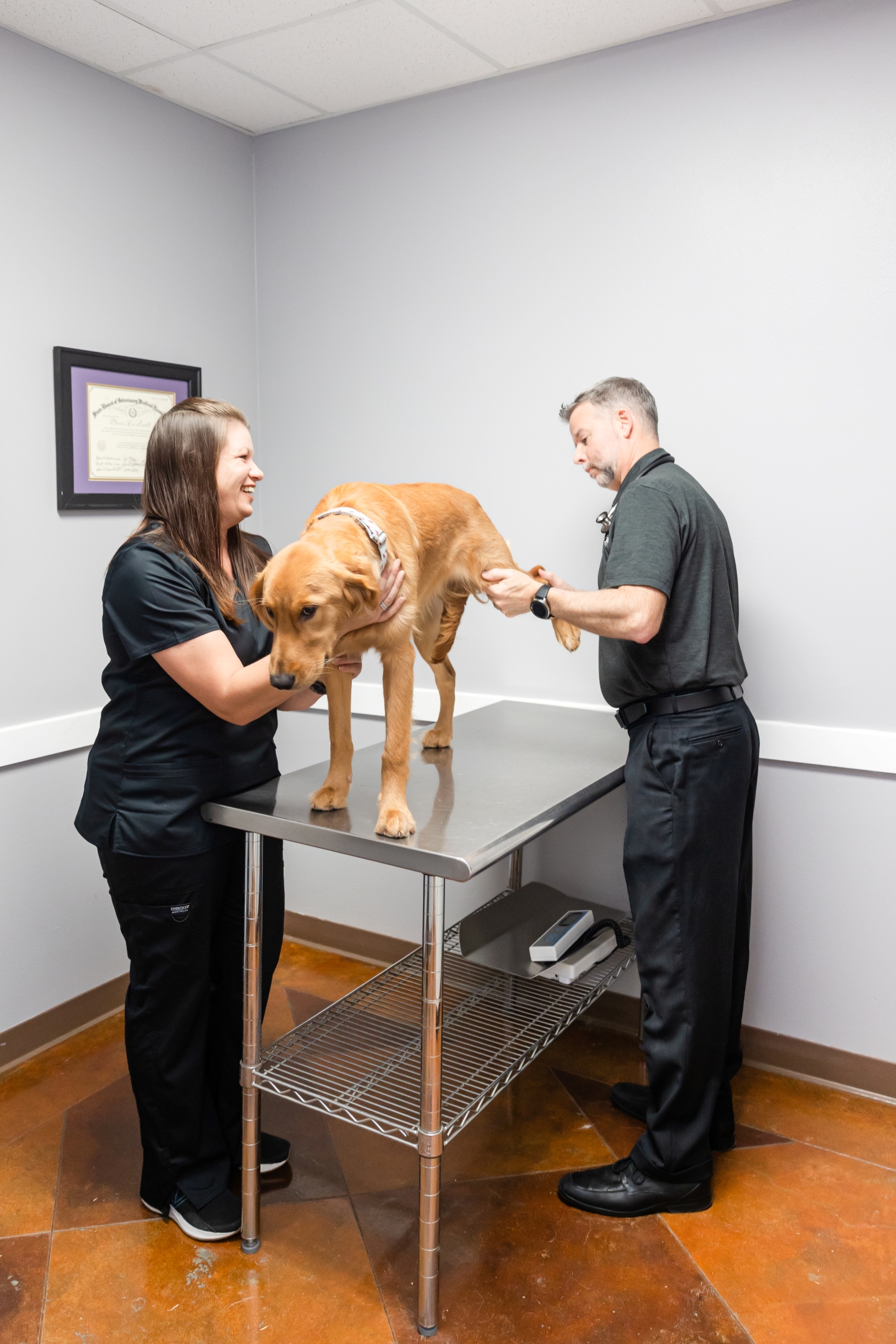
Administering vaccines involves more than just the injection. The experience matters. A calm clinical environment, gentle handling, and a brief recovery period after vaccination all contribute to a positive outcome. When pets are anxious, we aim to minimize stress through careful restraint, distraction techniques, and, when possible, scheduling introductions to the vaccination process as low-key events. The human-animal bond behind the vaccine visit is real; it reduces the fear associated with medical care and improves long-run adherence to wellness plans.

Injection site reactions are a source of concern for some families. Local swelling or mild discomfort at the injection site may occur and typically resolves within a day or two. Rare systemic reactions can happen, but they are uncommon relative to the benefits of protection. Observing pets for 15 to 30 minutes after a vaccine, especially during the initial series or when a pet has a history of reactions, helps catch any issues early. If an unusual pattern of symptoms appears, such as persistent vomiting, facial swelling, or difficulty breathing, immediate veterinary attention is essential. The key is to respond quickly but not overreact; most reactions are mild and manageable with guidance from our team.
Record-keeping and continuity of care
A precise vaccination record is a lifeline for ongoing care. It ensures that booster intervals are respected, helps coordinate care when multiple veterinarians are involved, and supports shelter or boarding requirements. Prairieville Animal Hospital maintains thorough digital records that owners can access through our client portal. When families relocate or switch clinics, a copy of vaccination history helps maintain protective continuity. The record becomes more than a ledger of shots; it is a concise health narrative that informs disease risk and future decision-making.
Owners frequently ask about vaccines in the context of travel or seasonal changes. A pet that plans to fly internationally will require adherence to destination-specific health requirements, including certain vaccines and documentation. For travelers, we provide guidance on how to prepare, how to schedule, and how to avoid interrupting shelter or school-year routines. In cases where a pet undergoes surgery or experiences a bout of illness, vaccine timing may need adjustment. Our team coordinates closely with surgeons and internal medicine specialists to ensure safety and efficacy.
When vaccines are not appropriate
There are instances where vaccination may not be recommended, at least temporarily. A pet with a significant immune deficiency, an active severe illness, or a recent vaccination reaction may require postponement. In some cases, a veterinarian may propose a desensitized or adjusted approach before proceeding with standard scheduling. The goal remains clear: protect the animal without compromising health or triggering undue stress. It is not a failure to delay; it is a strategic choice that prioritizes the animal’s present well-being while preserving future protection.
Community health and outreach
Beyond the clinic walls, we see vaccination in the broader context of community health. We participate in educational efforts that help families understand why vaccines matter, how to recognize early signs of disease, and how to integrate wellness visits into busy schedules. Our outreach includes neighborhood seminars, opportunities to tour Prairieville Animal Hospital facilities, and resources for families facing financial barriers to care. Vaccination is part of a broader commitment to responsible pet ownership, public health, and the humane treatment of animals.
The value of a thoughtful vaccination plan emerges most clearly in stories from families who have seen the difference vaccines make. A dog who attended daycare with a robust core vaccine series remained healthy through a season when kennel cough was circulating locally. A cat who has access to the outdoors has remained free of FeLV exposure in a neighborhood where feral cats are common. In both cases, the decision to vaccinate was grounded in information, practical planning, and trust in the veterinary team.
Two key considerations for successful vaccination programs
The practical realities of running a vaccination program hinge on two themes: reliability and responsiveness. Reliability means that clinics do not miss booster opportunities, that records are accurate, and that owners can count on consistent communication about upcoming vaccines. Responsiveness means being able to adapt plans when a family’s schedule shifts, when a pet experiences an illness, or when new scientific evidence warrants a change in recommendations. In our practice, these two threads weave together to create a vaccination program that is not rigid but thoughtfully adaptive.
The human element is essential. At times, a family may be anxious about a vaccine or uncertain about timing. Our role is to offer clear explanations that connect everyday life to measurable health benefits. We move through the stages of care with a patient and calm demeanor, acknowledging concerns while guiding families toward evidence-based choices. The result is a relationship built on transparency and respect, not fear or pressure.
Two lists to illuminate practical aspects
-
Core vaccine considerations for most dogs and cats 1) Core vaccines provide broad protection against serious diseases and are recommended for all healthy animals. 2) Booster timing is designed to maintain protective antibody levels over time. 3) Schedule is tailored to age, health status, and exposure risk. 4) Reactions are monitored, and plans adjusted if a pet has a history of adverse events. 5) Documentation is central to continuity of care and travel or shelter requirements.
-
Non-core vaccines shaped by lifestyle and locale 1) Tests or recommendations consider travel, daycare, or boarding needs. 2) Outdoor access, wildlife exposure, and regional disease prevalence inform choices. 3) Vaccination decisions balance risk with potential side effects and cost. 4) Some vaccines may be given in limited or staged doses to maximize safety. 5) Ongoing assessment ensures a dynamic plan that evolves with the pet’s life.
A note on spay and neuter, dental care, and surgery as supportive care
Vaccinations do not operate in isolation from other services. Spay and neuter procedures, dental care, and preventive surgeries are part of a broader suite of wellness offerings that contribute to a resilient, long-lived companion. In the spay and neuter context, vaccines are typically completed as part of the preoperative evaluation, ensuring that an animal comes into surgery with full protection during the recovery period and the subsequent healing phase. Dental care intersects with immunity in subtle ways; animals with dental disease can have altered systemic health that has downstream effects on vaccination efficacy. A robust dental program, aligned with vaccination schedules, helps sustain the body’s overall ability to respond to vaccines and resist disease.
Surgical patients and vaccination status require careful coordination. We verify vaccination records before elective procedures and time boosters around the perioperative period to minimize stress and maximize safety. This coordination is one more example of how comprehensive care translates into predictable outcomes. The veterinary team works behind the scenes to protect the client and the animal, often without heavy-handed explanations. Yet the result is clear: fewer complications, quicker recoveries, and more predictable health trajectories.
What this means for Prairieville families

For families in Prairieville and the surrounding area, vaccination means a plan that respects daily routines and honors the pet’s unique needs. It means a predictable calendar of wellness visits that fit into work, school, and family life. It means clear communication if a booster is due, or if a non-core vaccine should be considered after a conversation about a pet’s activities. The aim is not to upsell; it is to protect, to prevent, to minimize the potential for disease, and to preserve the animal’s quality of life year after year.
In our experience, the strongest vaccine programs are anchored in trust. An owner who feels informed and heard will follow through. They understand that the benefit is cumulative: fewer illnesses, less risk of severe disease, and the ability to continue enjoying a long, active life with their pet. When families return for wellness exams Prairieville Animal Hospital pet wellness exams, they do so with confidence that the vaccines they receive are part of a larger strategy to keep their companions healthy.
Practical guidance for pet owners
If you are preparing to bring a pet in for vaccination, a few practical steps can reduce stress and improve the experience. Keep a log of previous vaccines, including dates and any reactions. Bring the pet’s medical history to the appointment, especially if you are new to Prairieville Animal Hospital. Discuss any concerns about potential side effects, especially if your pet has a history of allergies or a strong reaction to previous injections. After vaccination, monitor your pet for signs of discomfort or unusual behavior for 24 to 48 hours. A gentle activity level and a comfortable space at home help pets recover more readily from the process.
For families with budget constraints, there are options to consider without compromising protection. Some vaccines are highly cost-effective when delivered in a timely, systematic manner because they prevent expensive illnesses that would require hospitalization or prolonged treatment. We can discuss payment plans, community resources, and the most important vaccines to prioritize if resources are limited. The aim is to preserve protection while being pragmatic about the realities many households face.
The human and animal health continuum
Vaccinations are a bridge between animal health and public health. When a community maintains high vaccination rates among pets, the incidence of certain contagious diseases declines. This has downstream effects that extend to households, shelters, and veterinary clinics. The value is not merely in a single pet living a longer life, but in the collective resilience that results when many animals share a low disease burden. Prairieville Animal Hospital contributes to this ecosystem by maintaining robust vaccination protocols, clear communication with families, and a commitment to evidence-based practice.
In our clinic, vaccination decisions are not a ritual but a science-based conversation. We approach each appointment as an opportunity to reinforce the health of a pet and the harmony of the household. The most successful outcomes come when clients partner with us, asking questions, sharing concerns, and following through on booster schedules. It is in that collaboration that we see projects come to life—the dogs that stay energetic into their golden years, the cats that maintain appetite and mobility, the families that can plan trips without worrying about medical setbacks.
Edge cases and evolving science
The science of vaccines continues to evolve, sometimes in small, incremental ways. A new study might refine an interval or suggest a different combination for a given region. We stay current by reviewing veterinary vaccine literature, attending continuing education, and incorporating practical insights from our day-to-day experiences. The goal is not to chase every new finding but to integrate the evidence that meaningfully improves outcomes for the animals we serve.
Some vaccines may undergo changes in recommended schedules as more long-term data becomes available. In those moments, families can expect transparent guidance that balances caution with practicality. The vaccine schedule is not a fixed decree; it is a living plan that adapts to new information, a reflection of the clinic’s commitment to careful, purposeful care.
Closing thoughts that linger
Vaccination is a quiet conviction backed by daily routines. It sits at the intersection of science, empathy, and routine care. When a family leaves Prairieville Animal Hospital after a well-run vaccination visit, they often carry with them more than a sticker or a record. They carry a sense of security, knowing that protection exists beyond the moment of administration. They understand that vaccines help maintain the vitality their pets bring to everyday life, from morning walks to evening cuddles.
The value of vaccines is not a matter of hope but of plan. It is the result of a partnership between owner and clinician, built on trust, guided by evidence, and anchored in the reality of daily life. For Prairieville families, the vaccination program is not an isolated event but a cornerstone of ongoing care. It is a commitment to health that spans the animal’s lifetime and echoes through the community with stronger, healthier companions.
In the end, it is the quiet confidence that comes from preparation and consistency that makes vaccination meaningful. A well-timed booster, a calm visit, a clear explanation, and a pet that enjoys years of companionship all flow from a thoughtful, practiced approach. That is the essence of the vaccination philosophy at Prairieville Animal Hospital: protection that respects life as it is lived, not as it might be imagined.