Pet Surgery at Prairieville Animal Hospital: Recovery and Rehab Tips
Surgery for a beloved pet can be a stressful junction for families and a decisive turning point in an animal’s well being. At Prairieville Animal Hospital, we approach pet surgery with careful planning, transparent communication, and a steady hand through the recovery days that follow. The goal isn’t merely to endure postoperative pain, but to restore mobility, appetite, and a sense of normalcy as efficiently as possible. Real-world experience shows that the difference between a smooth recovery and a challenge often hinges on practical, consistent care in the first 72 hours and a thoughtful plan for gradual rehabilitation.
In the clinic, we see a spectrum of procedures, from routine spays and neuters to more complex soft tissue surgery or orthopedic interventions. No matter the procedure, recovery hinges on three pillars: pain control, wound protection, and controlled activity. Those elements are the compass that guides owners through the fog of post-op days. The following article shares field-tested tips drawn from years of guiding clients through the realities of post surgical life with dogs and cats. It blends medical guidance with the kind of practical routines that families actually implement in a busy home.
Preparation before the procedure translates into speedier healing after. When we schedule a spay and neuter or any elective operation, we discuss the specific postoperative plan well in advance. This includes a clear plan for analgesia, the type of bandage or cone used, and the timeline for gradually resuming normal activity. We also emphasize the importance of a quiet, comfortable space where the pet can rest without being disturbed by children, other animals, or household chores. The environment matters as much as the technique when it comes to healing.
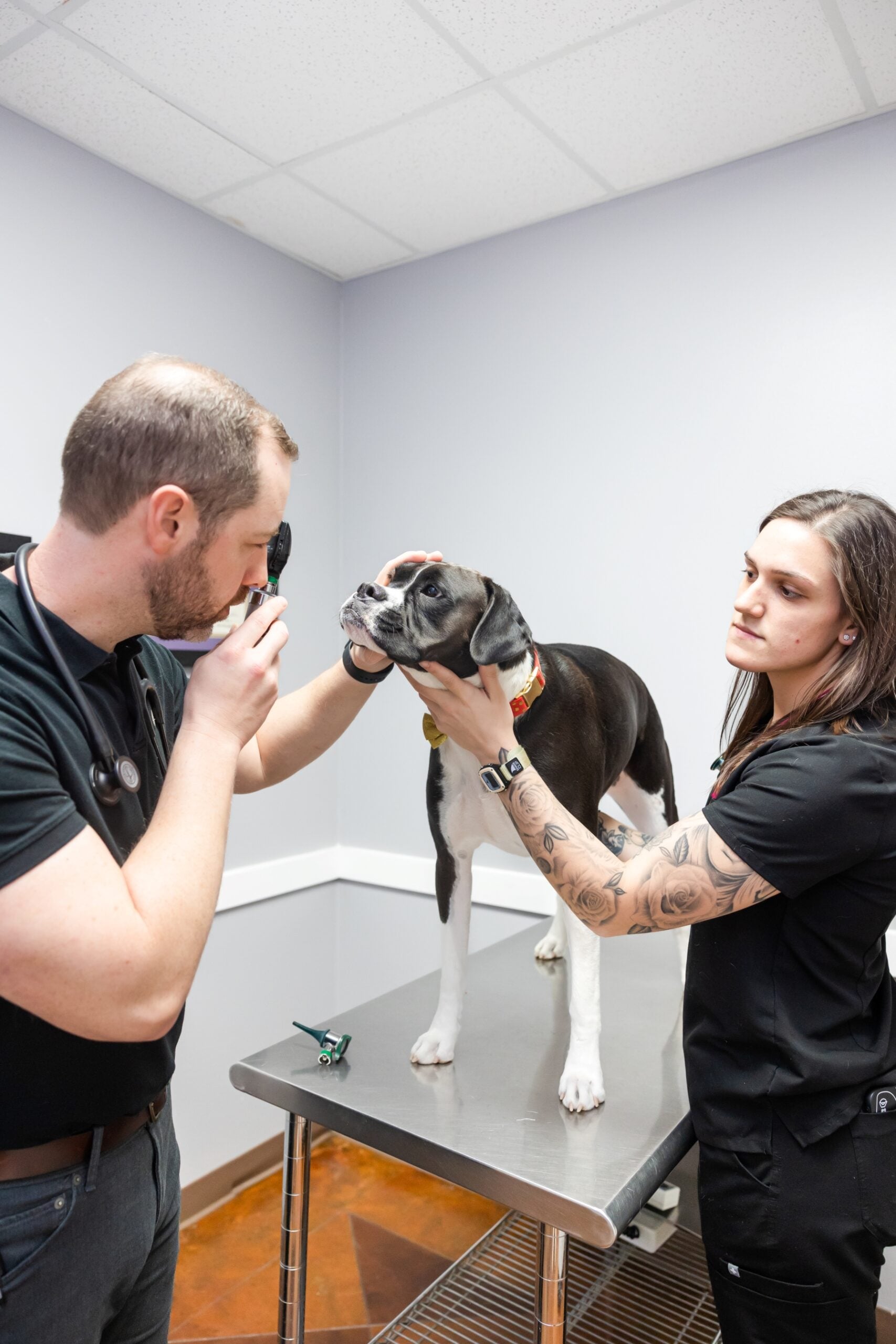
From the client side, the best outcomes come from honest communication with the veterinary team. If a pet has preexisting conditions such as obesity, arthritis, or dermatitis, those factors influence both anesthesia risk and the pace of recovery. In our hospital, we tailor recovery plans to address these realities. A small adjustment in a home routine can translate into less stress for the pet and fewer calls to the clinic in the middle of the night.
The first day after surgery is the moment when the plan begins to take shape. In the hospital, we monitor vital signs closely and ensure that pain relief is consistent. Once a patient goes home, the real work begins. Owners become the primary stewards of comfort and safety, and that responsibility requires clear, dependable routines. Below you’ll find a practical framework built from hands-on experience. It is written for dogs and cats, for first-time pet parents, and for seasoned caretakers juggling work schedules and family life.
Recovery begins with pain management. The moment a pet leaves the surgical suite, we aim to preserve comfort without masking important cues. Pain not only causes distress; it can delay healing by triggering a stress response and reducing appetite. We prescribe medications with dosing tailored to the animal’s weight, age, and the specific procedure performed. Some pets tolerate oral medicines where others need transdermal gels, chewable tablets, or, in a few cases, injectable options that can be administered at home with a simple syringe technique. The key is consistency. A missed dose in the first 24 hours can lead to unnecessary discomfort that makes gentle movement feel intolerable and can slow progress toward normal activity.
Wound care follows closely behind pain control. A clean, dry incision reduces infection risk and supports proper healing. Our team provides explicit wound care instructions, including how to check the site for redness, swelling, or discharge and how to manage any external bandages or drains if applicable. If stitches or staples are present, we describe the removal timeline and the signs that would warrant a call to the clinic. It is not unusual for a pet to lick or investigate the incision; however, excessive licking can irritate healing tissue or introduce bacteria. In many cases, we recommend an Elizabethan collar or an alternative device to curb self-grooming during the critical early phase.
Activity restriction is the third cornerstone. Even a small increase in movement can disrupt sutures, prolong healing, or spark discomfort that leads to guarding behaviors. The challenge is balancing rest with gentle, safe movement to prevent stiffness, especially after orthopedic procedures. We walk clients through a staged plan for resuming steps like slow leash walking, supervised short hallway sessions, or progressive range-of-motion exercises when indicated by the surgeon. The pace must respect the animal’s temperament and the tissue’s healing trajectory. In practice, that means short, predictable sessions rather than long, sporadic bursts of activity. Our experience shows that predictable routines reduce stress for both pets and humans and accelerate the return to normal function.
A typical recovery timeline can vary by the procedure and the individual animal. For many routine surgeries, the first 24 to 48 hours are the period of most intense healing needs. Within a week, most pets resume their basic routines with some accommodations. By the second week, many animals are back to a close approximation of their normal activity, though activity restrictions may persist for several weeks in cases of abdominal surgery or orthopedic interventions. It is essential to keep follow-up appointments and to stay in touch with the veterinary team if anything seems off. A fever, persistent vomiting, diarrhea, refusal to eat, or a sudden drop in energy warrants contact with the clinic.
The practical details of daily care matter a lot. A clean, quiet space can do more for comfort than any high-tech gadget. A step-by-step approach to daily life after surgery often looks like this: morning routines centered on medication administration and gentle inspection of the incision; a small, supervised period of movement and a short training session using a treat-based reward system to encourage calm behavior; mid-day rest and a check on hydration and appetite; and a quiet evening with limited noise and a predictable bedtime routine. The aim is to avoid the rollercoaster of highs and lows that come with unpredictable sleep, irregular meals, and inconsistent activity.
Two lists capture the essentials without getting in the way of the prose. The first focuses on recovery steps that most pets benefit from during the first prairievilleanimalhospital.com week. The second lists warning signs that should trigger a call to the clinic. Both are compact yet practical enough to pin on a kitchen bulletin board or save in a mobile notes app for quick reference.
Recovery steps in the first week
- Administer pain medications exactly as directed, keeping a log of doses to prevent gaps.
- Inspect the incision daily for redness, swelling, or discharge and note any changes.
- Keep the pet in a calm space, away from stairs and high energy play that could jostle the healing tissue.
- Use a protective cone or an approved alternative to deter licking or chewing of the incision.
- Schedule and attend all prescribed follow-up visits to ensure proper healing progression.
Warning signs that require a call to the clinic
- A fever higher than 102 degrees Fahrenheit or a persistent fever over 24 hours.
- Incision that becomes increasingly red, warm, swollen, or begins to ooze pus.
- Refusal to eat or a dramatic drop in water intake lasting more than 12 to 24 hours.
- Persistent vomiting or diarrhea beyond 24 hours.
- Excessive lethargy, confusion, or a marked reluctance to move or stand.
Beyond the basics, there are a few nuanced areas that often come up in real life. One is how to manage anesthesia residual effects in the first day after surgery. Some pets seem unusually groggy or disoriented as the anesthesia wears off. It helps to maintain a quiet, warm space with access to water and a favorite blanket. If a pet is nauseated or has trouble keeping fluids down, we often adjust the timing of the first post operative meals to match the animal’s appetite and ensure hydration, which is especially important for cats who may be more susceptible to dehydration after a procedure. Another common scenario involves the practicalities of maintaining a clean environment. Incisions can be sensitive to moisture, so many clients find it helpful to place a washable mat under the pet’s resting area and to swap out blankets daily. A routine involving gentle brushing — if allowed by the surgeon — can support circulation and comfort, while also helping owners monitor the skin for any unusual irritation around the surgical site.
Different surgeries call for different rehabilitation strategies. After orthopedic procedures such as cruciate ligament repair or hip surgery, rehab often includes a structured physical therapy plan supervised by the veterinary team. The aim is to rebuild muscle strength and restore range of motion while protecting the healing tissues. In some cases, we refer clients to licensed veterinary rehabilitation professionals who use a grid of exercises, underwater treadmills, and careful progressive loading. For soft tissue surgeries, the emphasis is frequently on preventing limp progression while the incision heals and gradually reintroducing activities that promote circulation and tissue regeneration. Each case has its own rhythm, and the plan evolves with the patient’s progress.
Diet and hydration play a bigger role than many realize. Anesthesia can affect appetite for a short window, but keeping a pet hydrated is critical. We often suggest small, frequent meals rather than one large offering in the first day or two after surgery. If a pet shows reluctance to eat for more than 24 hours after the operation, that’s a signal to contact the clinic. In general, a bland diet is avoided unless there is a medical reason to use it. If there are gastrointestinal concerns, we tailor a plan that protects the stomach while ensuring adequate calories and nutrients to support healing. A typical prescription might include a high-quality diet formulated for recovery, balanced with hydration and easily digestible proteins.
Every recovery plan includes a clear boundary between rest and activity. The wall between couch cuddle time and the next hallway walk is not as wide as it might seem. The strategy is to offer short, frequent opportunities for movement, always within the physician’s guidelines. The advantage of this gradual approach is that it builds resilience without overstressing healing tissues. We see fewer setbacks when owners treat the initial days as controlled experiments in gentle motion rather than a race toward normal activity. This approach also reduces stress for the pet, which translates into steadier appetite and calmer behavior.
One area where owners often experience frustration is wound care at home. The mechanics are straightforward: keep the site clean, dry, and protected; avoid rubbing or scratching; and recognize when to escalate. The learning curve varies with the animal, and patient, methodical instruction from the veterinary team makes the process easier in practice. It helps to involve another family member in the wound check routine so the job doesn’t fall to a single person who might miss subtle changes. A small, low emphasis routine can prevent problems while maintaining a sense of normalcy at home.
There are edge cases that deserve mention. A pet that sleeps in an elevated basket or that has an endless supply of energy may test boundaries during recovery. In such cases, we adapt the plan to the individual. Some dogs are natural escape artists when the cone comes off, so we adjust the environment by re locating the pet’s bed in a more secure area, or by switching to a softer collar that still prevents licking but allows for more comfortable movement. For cats, the risk of incision interference can manifest in stealthy attempts to explore forbidden zones. Here the home becomes a small-scale obstacle course designed to minimize risk while preserving the cat’s dignity and sense of safety.
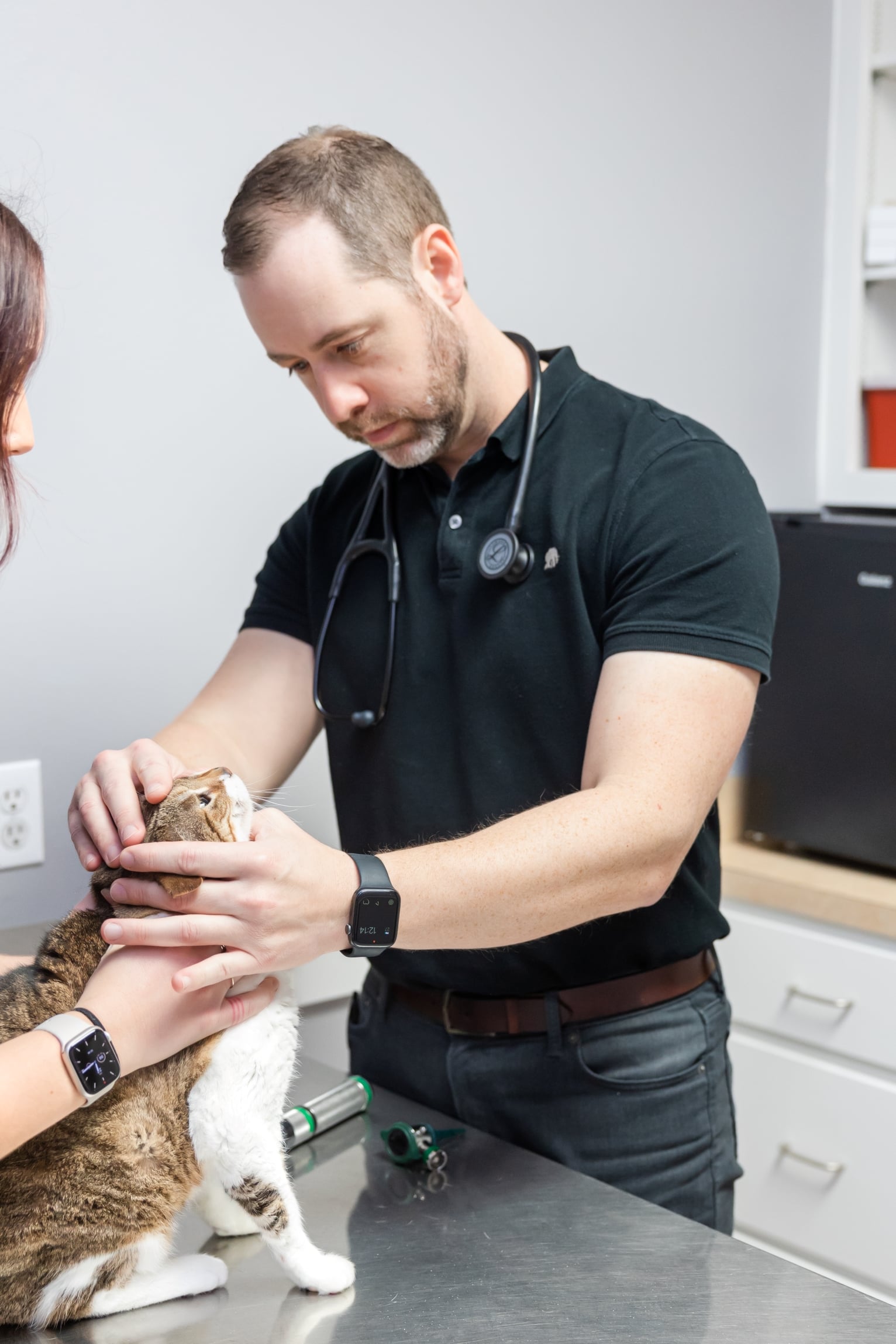
It may be helpful to consider some common scenarios and how the recovery plan adjusts accordingly. A middle-aged Labrador retriever that underwent a spay or neuter typically experiences a straightforward recovery. Appetite often returns quickly, and with strict cage rest and short daily leash walks, most dogs regain mobility within a week. A senior cat, however, can present more variability. Cats often tolerate recovery well, but dehydration and constipation are more common after surgery in elderly patients. In both species, sticking to the plan and documenting progress reinforces a sense of progress that owners can observe.
From the moment the patient leaves Prairieville Animal Hospital, the family becomes part of the clinical team. The care plan is a living document, updated as healing progresses and adjusted for comfort and safety. The communication channel remains open. We encourage families to ask questions, share concerns, and report anything unusual without hesitation. The goal is not to rush healing but to support a steady, sustainable return to normal life. The more consistently families follow the plan, the more reliable the outcome tends to be. This is not a moment for guesswork. It is a period when a little extra attention makes a large difference.
The principles behind our recovery and rehab philosophy come from long-term experience in veterinary medicine. We have learned that the best outcomes happen when there is a calm, predictable environment, a clear plan for medications, and a sequence of carefully paced activities that align with the animal’s natural rhythms. The clinic side of this partnership remains essential. We schedule follow-up visits to confirm healing progress, remove sutures if necessary, and fine-tune rehabilitation protocols. When any complication arises, the team steps in with a measured response that minimizes risk and supports the animal’s comfort.
Spay and neuter surgeries, in particular, have well established recovery patterns that many families find reassuring. The typical trajectory involves solid healing of the abdominal or scrotal incision within two weeks, although the full strengthening of internal tissues can take longer. The important message is that most pets bounce back quickly when owners adhere to instructions and maintain a daily routine that aligns with the surgeon’s recommendations. The difference between a good outcome and a less favorable one often lies in the granularity of aftercare: the attention to small details that surround the incision, the consistency of analgesia, and the discipline of controlled rehabilitation.
In the broader context of a veterinary clinic, we measure success not by the absence of complications but by the animal’s return to a high quality of life. A pet that recovers quickly and returns to normal activity is usually a sign that the surgical team, the client, and the patient have formed an effective partnership. That partnership begins at the initial consultation, continues through the day of surgery, and persists through weeks of careful, steady recovery. The practice at Prairieville Animal Hospital is built on that continuity, a careful balance between clinical expertise and the lived experience of families navigating the post operative landscape.
For those seeking more information about the services that shape this recovery journey, the clinic offers a range of resources. Pet wellness exams, vaccinations for pets, and spay and neuter procedures are often the first touchpoints in preventive care that can reduce the need for surgery in the long run. Yet when surgery is necessary, the same veterinary team brings the same standard of care to the recovery period. The goal is straightforward: comfort, protection, and a clear path back to the routines that define daily life for both pet and owner. Prairieville Animal Hospital understands that surgery is a shared journey, and the partnership you forge with the clinic is the backbone of a successful healing process.
In practice, the most reliable path to a smooth recovery combines clear medical guidance with practical home routines. From the first hours after anesthesia to the final checkup weeks later, the roadmap is steady and explicit. The care plan you receive is designed to minimize pain, prevent complications, and maintain an environment that supports healing. It is a plan grounded in the realities of pet behavior, family schedules, and the unpredictable rhythms of life at home. By blending veterinary expertise with everyday discipline, we can transform a challenging event into an opportunity for resilience and renewed vitality for your pet. The ultimate measure of success is a pet who returns to the activities they love, with a confident stride and a peaceful demeanor, knowing they are in good hands every step of the way.