Pet Dental Care Tips from Prairieville Animal Hospital
People often underestimate how closely a pet’s mouth mirrors their overall health. At Prairieville Animal Hospital, we’ve learned that dental care is not a single appointment on the calendar but a daily routine that shapes quality of life for dogs and cats alike. When you treat dental health as an ongoing conversation with your pet, you catch problems early, prevent pain, and save on more involved care down the line. This piece blends practical experience with the solid, steady guidance we share with families who walk through our doors.
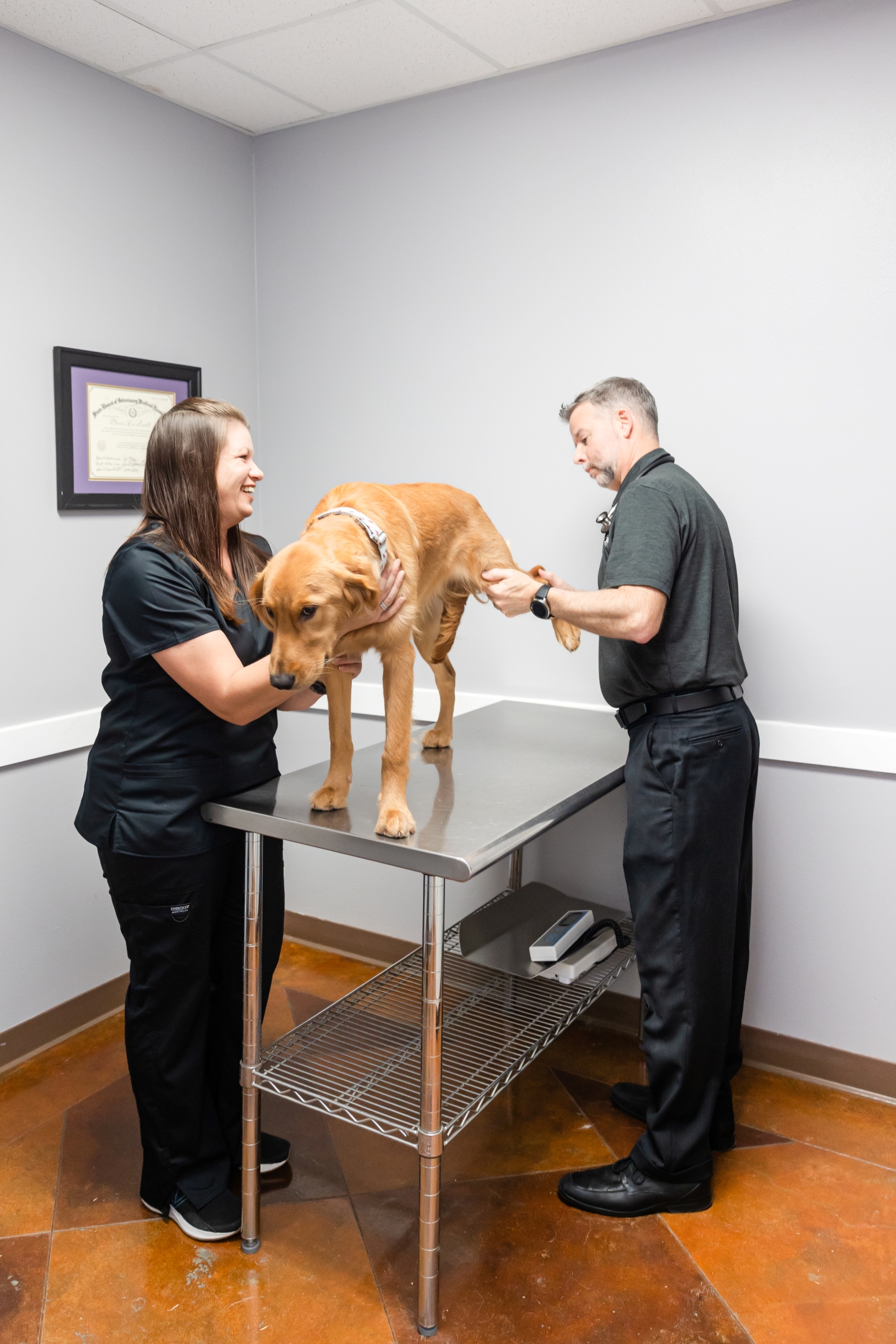
A practical frame for dental care starts long before a scale and polish. It begins with the everyday choices you make around feeding, brushing, and recognizing subtle changes in behavior. In our clinic, we’ve seen how routine wellness visits can dovetail with dental health to create a comprehensive picture of a pet’s well being. If you’re part of the Prairieville community, you’ve likely encountered our team at prairievilleanimalhospital.com during wellness exams for pets, where dentistry is integrated into overall preventive care. The goal isn’t to complicate life with more schedules or more products; it’s to give you a straightforward playbook that reduces risk and makes visits to the clinic predictable rather than alarming.
The first thing many pet parents notice is how quickly dental issues can escalate. A swollen gum line, a stubborn breath that isn’t easily addressed by rinsing, or a reluctance to pick up a favorite toy can signal trouble. In practice, the signs aren’t always dramatic. Some pets tolerate discomfort with quiet changes—slower eating, less interest in crunchy treats, or a dip in playfulness. We’ve worked with families who initially misread these shifts as ordinary aging, only to discover later that an underlying dental problem was complicating heart or kidney function, especially in older pets. The point is not to panic, but to stay attentive and act on concerns early. That vigilance is the backbone of successful dental care at a veterinary clinic prairievilleanimalhospital.com, where our team coordinates dental X-rays, cleaning, and, when necessary, more advanced procedures.
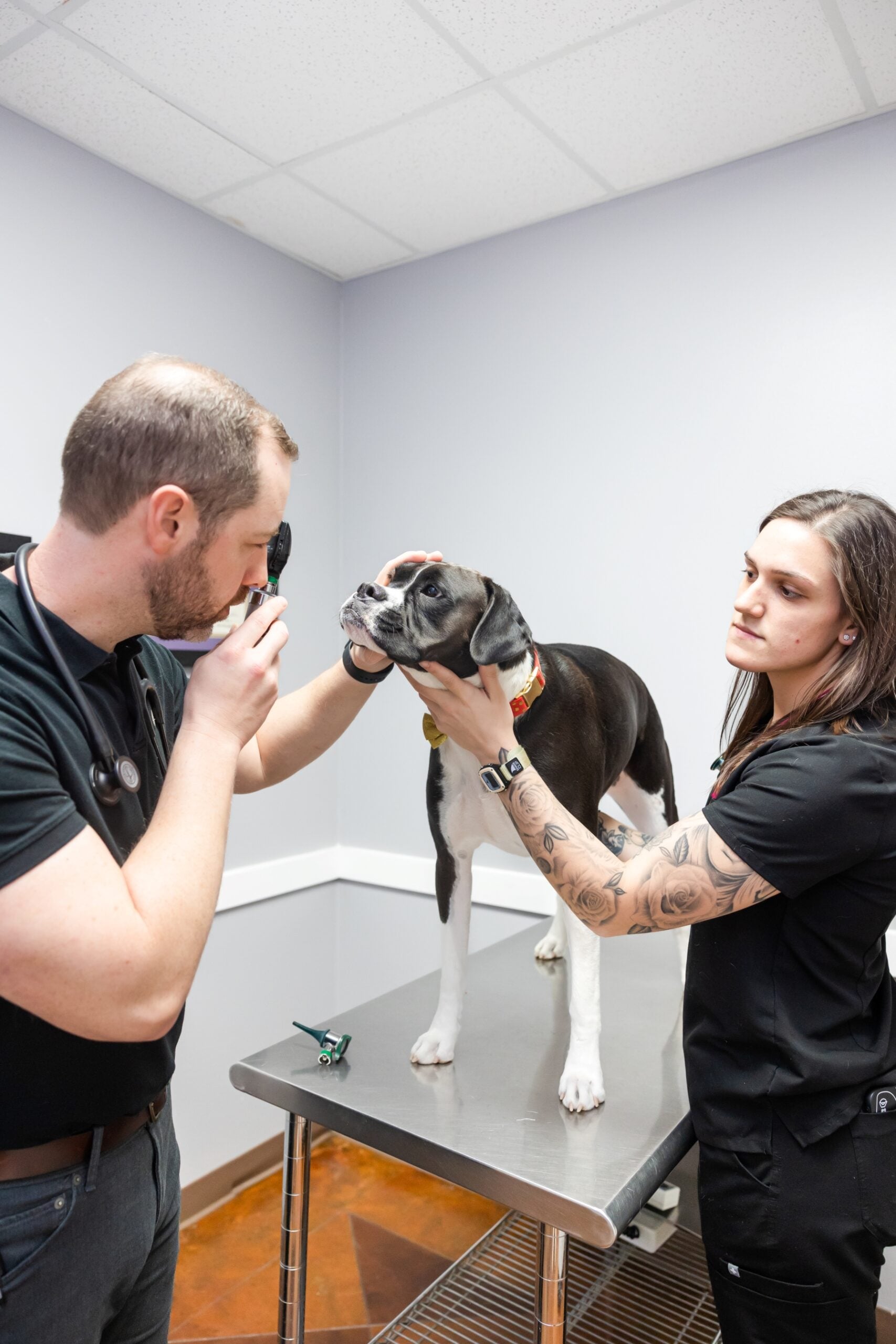
A consistent routine becomes a reliable ally. The moment you recognize a dental problem is not the moment you rush to the internet for cures. It’s when you notice a predictable pattern—mealtime behavior changing, a preference for soft foods, or a grumpy mood that wasn’t there before. Those signals are not anomalies; they are our practical indicators that something may be amiss in the mouth. When families come in for pet wellness exams Prairieville Animal Hospital, we look for signs that might be invisible to the untrained eye. We measure gum inflammation, check for tartar buildup, and listen for any changes in chewing mechanics. The exam is not a single moment but a snapshot that guides broader care.
The value of professional dental care rests on a few concrete foundations: prevention, early detection, and timely treatment when needed. Prevention in this field is not about dramatic overhauls; it’s a steady rhythm of routine care. It means annual or biannual professional cleanings based on the pet’s risk profile, along with home care practices that fit into daily life. Early detection comes from a trained eye that can differentiate between a harmless gum line variation and a sign of a real problem. Timely treatment is where the hard decisions sit—extractions, root canals, or more extensive work when the tooth or surrounding tissue is untenable. Our experience at Prairieville Animal Hospital balances these elements with honesty and practicality so families feel informed rather than overwhelmed.
In the end, dental health reflects how we treat the whole animal. The mouth is a gateway to nutrition, comfort, and confidence in daily activities. When a dog can chew a bone or a cat can bite into a favorite piece of kibble without pain, the reward is counted in energy, appetite, and a calmer daily routine. Our approach to pet dental care blends skill with empathy, ensuring that at every visit we validate the pet’s experience while giving the owner clear, actionable guidance. We aim to minimize fear during dental procedures by building trust, smoothing transitions between home care and clinic-based care, and maintaining open channels for questions long after the exam room light dims.
The practical layout below offers a grounded path to better dental health, drawing on the experience that comes from years of seeing what works for Prairieville families. You’ll find concrete steps you can take now, a candid discussion about common challenges, and an honest look at the trade-offs involved in different approaches.
What dental care looks like in a typical year
A well-structured year does not rely on a single big decision. It relies on a steady cadence. We encourage families to align dental appointments with their pet wellness exams, so there is a familiar touchpoint for monitoring the mouth alongside general health. A typical year might include one professional cleaning for most pets, spaced with interim checkups to catch minor changes before they become painful or costly. In senior animals or those with known risk factors, we might schedule more frequent assessments or imaging to keep the mouth in check. The core idea is to create predictability. When a family knows what to expect, the fear often fades, and the pet remains comfortable throughout the process.
Home care that fits real life
Every household operates on its own tempo. What matters is consistency more than intensity. We see a broad spectrum of routines in Prairieville, from households that brush every evening after a family dinner to those that manage a lighter schedule with a strong emphasis on dental-friendly diets and chews. Some owners want a very hands-on approach; others prefer a simpler system that reduces daily friction but still delivers meaningful benefits. The best plan is the one you will actually follow because sustainability beats perfection every time. The right routine is the one that protects against tartar buildup, reduces plaque, and supports fresh breath without turning dental care into a source of friction.
In practice, home care often centers on three habits: regular brushing, appropriate chews or diets designed to reduce plaque, and monitoring for signs that indicate professional evaluation is warranted. Brushing is the cornerstone. It doesn’t need to be lengthy—short, daily sessions can accumulate meaningful results over weeks and months. Then comes a smart selection of dental treats and diets that promote mechanical cleaning or antibacterial effects without causing digestive discomfort. Finally, owners keep a mental list of warning signs to watch for, such as difficulty eating dry kibble, saliva changes, or hiding behavior during meals. These behaviors might indicate that something is amiss in the mouth and deserve a closer look. The right combination of these elements becomes a practical, manageable routine rather than a chore.
Professional care is more than a cleaning
A professional dental visit is not merely a polishing exercise. It’s a structured medical evaluation with anesthesia, radiographs, and a careful assessment of all periodontal tissues. In many cases, anesthesia-free dentistry is not appropriate when significant periodontal disease is present; we candidly discuss the risks and benefits with families and tailor the plan accordingly. The radiographs we obtain provide a window into areas we cannot see from the surface. It’s not unusual to discover bone loss or tooth root issues that are not apparent to the naked eye. The outcome of that information is a targeted plan—whether it’s a restorative approach, a strategic extraction, or a referral to a veterinary dental specialist when needed. Prairieville Animal Hospital emphasizes the value of thorough diagnostics because cutting corners here can create more problems down the line.
A note on diets and find out more dental hardware
We don’t advocate for a one-size-fits-all approach to food or chews. The pet’s age, breed, and current dental status shape the recommendations. For some animals, a specially formulated dental diet can contribute to plaque control and encourage good chewing mechanics. For others, consistent brushing and periodic professional cleanings are the mainstay. In certain cases, we may discuss dental implants or protective seals for the back teeth as an accessory to a broader dental strategy. The key is to stay honest about what a plan can achieve and where the lines are drawn between preventive care and therapeutic intervention. At Prairieville Animal Hospital, we aim to balance practicality with effectiveness, so families feel empowered rather than overwhelmed.
Signs that your pet needs a dental check
Knowing when to seek a dental check is as important as knowing how to brush or what foods to offer. Some symptoms are obvious: persistent bad breath, red gums, or a reluctance to nibble on favorite snacks. Others are subtler, especially in cats who tend to hide discomfort well. A pet may begin to drop a chew or balk at a familiar toy, or they may show increased yawning and head rubbing, not because they are bored but because discomfort is present in the jaw. In our practice, we encourage owners to trust patterns. A small shift in behavior over a few weeks can be a reliable early warning sign. We also emphasize the importance of regular veterinary examinations. The monthly schedule of wellness visits provides a steady opportunity to catch dental changes before they translate into pain or infection.
Below is a compact checklist drawn from our clinical experience. It is not a substitute for a veterinary examination, but it helps owners frame concerns when deciding whether to book an appointment.
Two short lists of practical items
- Signs your pet may have dental issues
- Bad breath that lingers despite routine brushing
- Red, swollen, or bleeding gums
- Difficulty or reluctance to eat, especially hard foods
- Excessive drooling or unusual mouth movements
- Teeth that appear loose, broken, or covered in heavy tartar
- At-home care actions to support dental health
- Daily brushing with a pet-safe toothpaste
- Using dental chews or kibble designed to reduce plaque
- Providing fresh water and encouraging hydration after meals
- Scheduling regular professional cleanings aligned with risk level
- Watching for behavioral changes and seeking prompt evaluation when they appear
The trade-offs and edge cases
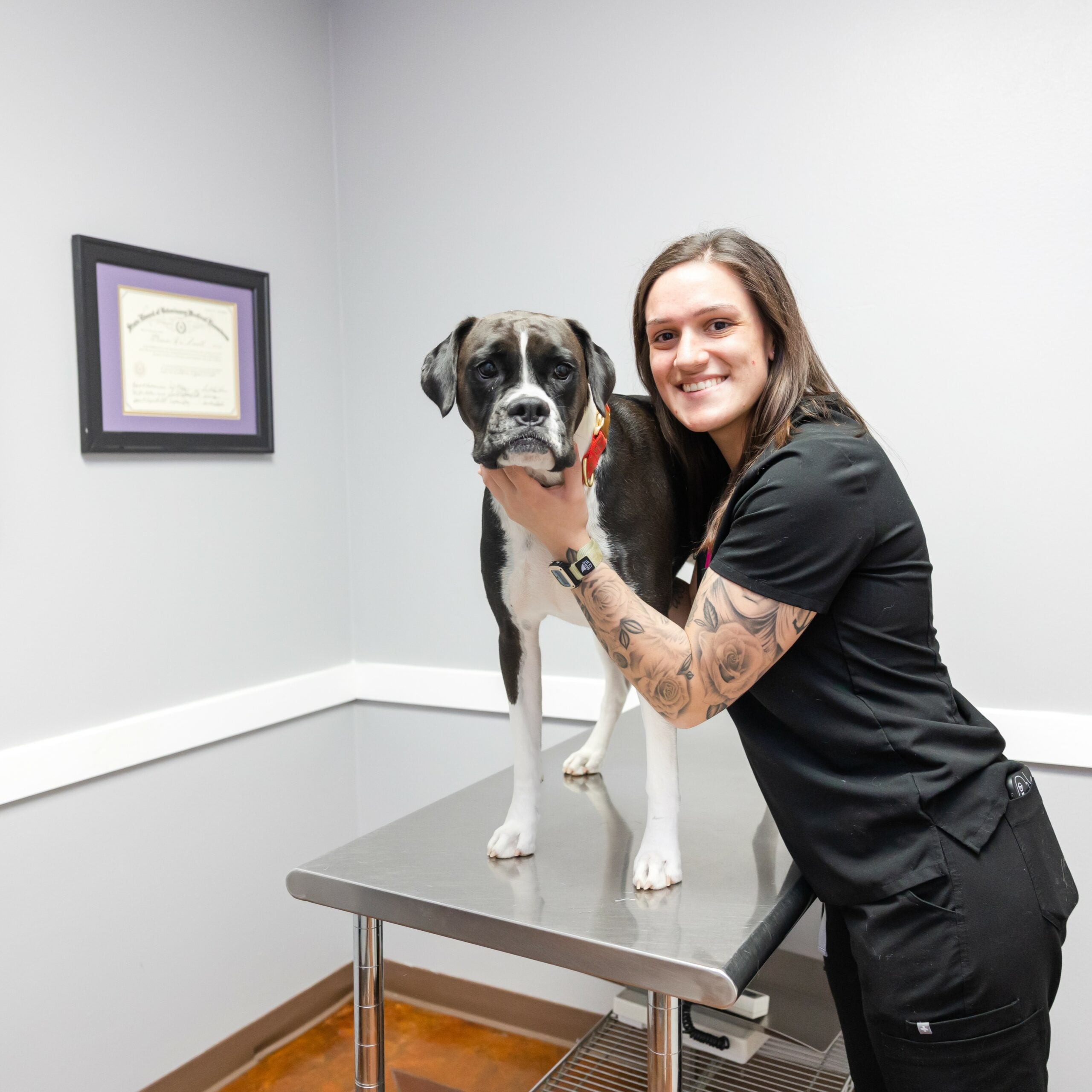
Dental care is not a magic bullet. It’s a continuous process with boundaries. Some pets tolerate brushing poorly, and a prolonged brushing session can cause stress rather than relief. In such cases we suggest gradual acclimation: short, forgiving sessions, a reward-based approach, and a shift toward more passive measures that still promote dental health. For animals with a history of anxiety around the clinic, scheduling dental work as part of a broader wellness visit can reduce stress by normalizing the experience. In some breeds, the anatomy predisposes to more rapid tartar buildup and tooth crowding, which means more frequent cleanings. Our guidance is always to tailor the plan to the individual animal, not to an abstract standard. We measure success not by perfect adherence to a chart but by reduced tartar accumulation, minimal discomfort during meals, and a pet that continues to engage with preferred activities.
There are practical constraints to consider. Time and labor are real costs for households. Some owners worry about sedation, anesthesia, or the need for general anesthesia during cleaning. We address these concerns with transparent explanations: anesthesia is tailored to the patient’s age, health, and risk, and modern veterinary medicine continuously improves safety margins. We discuss alternatives where appropriate and never push excessive procedures. The goal is to protect long-term health while keeping the immediate experience as calm as possible for the animal. When families come to Prairieville Animal Hospital for pet dental care, they often appreciate candid conversations about what is feasible now and what may be needed later. We view this honesty as the most reliable form of care.
Anecdotes from the clinic floor illuminate the point
Consider the case of a middle-aged terrier who arrived with a stubborn breath and a reluctance to chew his favorite treats. The dog’s owner had tried brushing, but the routine collapsed after a few weeks. A professional examination revealed a moderate buildup that would not respond to brushing alone, and a small tooth was hiding behind inflamed gum tissue. We explained the findings and laid out a plan that included a gentle scaling and polish, followed by a targeted home routine. The owner left with a clear, doable schedule and a better understanding of what to watch for. Within months, the dog’s breath improved, chewing became easier, and the overall enthusiasm for daily activities returned. The family learned that dental health is not a standalone victory but a part of the daily rhythm that sustains a pet’s happiness and vitality.
In another instance, a cat presented with subtle signs—a change in appetite, a shift in how the cat played with toys, and more yawning during meals. Cat dentistry can be more nuanced because cats hide pain well. The dental work revealed early periodontal disease that, left unchecked, could have progressed to more invasive problems. We discussed a plan that included an initial cleaning, followed by a maintenance schedule and a monitoring routine at home. The cat recovered quickly, and the owner reported a noticeable improvement in appetite and energy. These cases reinforce the overarching message: dental health is not elective; it is integral to comfort, nutrition, and behavior.
Practical steps you can take this week
- Schedule a wellness exam that includes a focused dental assessment. Even if your pet has no obvious symptoms, a routine check helps identify subtle changes and sets a baseline for future comparisons.
- Invest in a small, manageable brushing routine. Start with 30 seconds per session and gradually extend as your pet becomes more comfortable. Use a toothpaste formulated for pets, as human toothpaste can irritate the stomach and is not designed for pets to swallow.
- Explore dental-friendly feeding options. If your pet won’t tolerate brushing, a dental diet or certain dental chews can help reduce plaque formation. Weigh the benefits against any digestive or weight considerations, especially in older animals.
- Keep an eye on breath and chewing. If breath remains persistently bad or your pet starts avoiding hard foods, schedule a dental check sooner rather than later. Early intervention can prevent more invasive procedures.
- Maintain a calm, positive routine around dental care. Use praise, comfortable grooming sessions, and predictable routines to reduce stress for both you and your pet during dental visits.
What to expect during a Prairieville Animal Hospital dental appointment
A visit to our clinic for dental care follows a well-structured, compassionate process. We begin with a careful history and a gentle examination. The mouth is evaluated in stages to avoid unnecessary stress, and we listen for patterns that might indicate systemic issues. If imaging is needed, we explain what the photos show and how that informs treatment decisions. The actual cleaning combines scaling to remove tartar and polishing to smooth tooth surfaces, followed by a periodontal assessment to detect any pocketing around teeth. If extractions or root work is indicated, we outline the rationale, the anticipated recovery, and aftercare instructions designed to maximize comfort and healing.
Aftercare is not an afterthought. We provide clear guidelines for at-home care after a dental procedure, including how to manage pain, what foods are appropriate during recovery, and signs that would warrant a return visit. Families often tell us that the most reassuring part of the process is the transparency. They leave with a clear map: what was done, why it was done, and what to watch for in the weeks ahead. This approach, rooted in honest communication, aligns with our broader philosophy at prairievilleanimalhospital.com: dentistry is part of a comprehensive wellness plan, not a disconnected service.
A note on teamwork and long-term planning
Effective dental care requires collaboration between veterinarian, client, and, when appropriate, veterinary technicians who help with training and home care. We encourage families to view dental health as a shared project. The pet benefits when everyone understands the state of the mouth and the plan for maintenance. A practical outcome of this teamwork is a predictable schedule that reduces anxiety around dental visits and minimizes the chance of emergencies related to dental disease. In practice, that means we coordinate dental evaluations with routine health checks, so you know exactly when to expect the next step and what it will entail.
The bottom line
Dental health is a tangible contributor to a pet’s daily joy. It affects the ability to enjoy meals, the comfort of movement, and even the temperament that makes time with your animal companion so special. Prairieville Animal Hospital brings a grounded, experienced perspective to each case, balancing careful diagnostics with practical home care strategies. We aim to demystify dental care, helping families feel confident in their decisions and in the ongoing work required to maintain healthy teeth and gums for life.
If you’re seeking veterinary care that treats dentistry as preventive medicine rather than an afterthought, consider the approach you’ll find at Prairieville Animal Hospital. The goal is not merely to clean teeth, but to sustain a standard of health that allows pets to chew, bite, and smile with ease. The continuity between home routines and clinic-based care creates a durable foundation for a pet’s well-being. And that is a more reliable kind of care—one that respects the pet’s comfort, the family’s schedule, and the veterinarian’s expertise.